North America
Home - North America
General Country Overview
- Region: North America (Focusing on USA & Caribbean Islands like Grenada, Antigua, Barbados).
- Capital City: Washington D.C. (USA) / Various island capitals in the Caribbean.
- Official Language(s): English (100% English-speaking environment).
- Climate & Weather Patterns: The USA has climates ranging from extreme cold to temperate weather. The Caribbean has a tropical climate, similar to India, making it easy for Indian students to adapt.
- Time Zone Difference from India (IST): USA and Caribbean are generally 9.5 to 12.5 hours behind India.
- Currency & Current Exchange Rate: United States Dollar (USD). 1 USD ≈ 83 INR.
- Political Stability & Safety Index: Very High. The US and major Caribbean islands offer highly secure, student-friendly environments.
Medical Education System
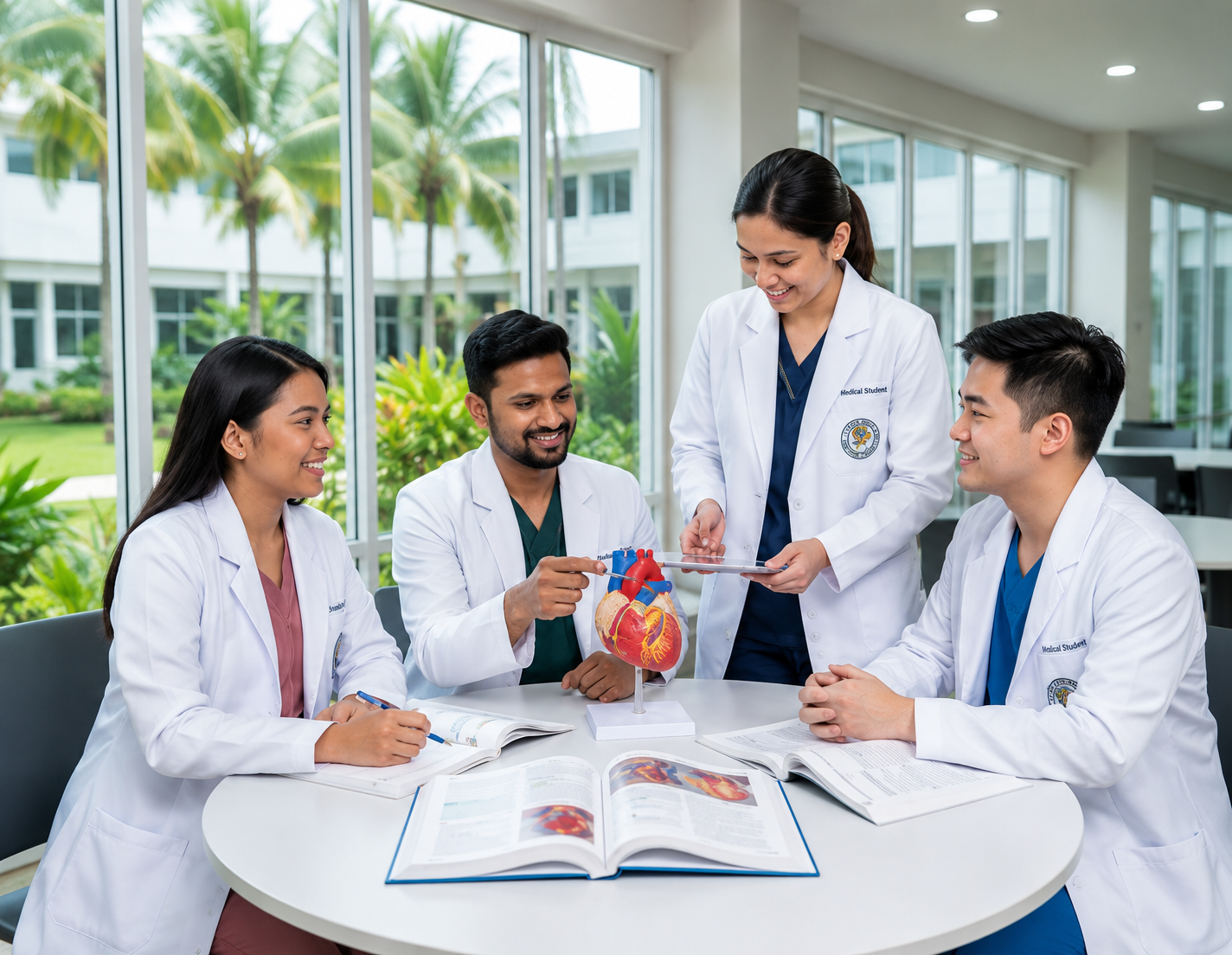
- Degree Awarded: MD (Doctor of Medicine), globally equivalent to MBBS.
- Total Course Duration:
- Direct USA: 8 Years (4-year Pre-Med Bachelor’s + 4-year MD).
- Caribbean Pathway: 5 to 5.5 Years (Pre-med integrated + 4-year MD).
- Medium of Instruction: 100% English.
- Global Recognitions:
- NMC (National Medical Commission) Approved? Yes
- WHO Recognized? Yes
- Listed in WDOMS? Yes
- ECFMG/FAIMER (USA) Approved? Yes (Caribbean schools must be CAAM-HP or ACCM accredited to meet 2024 ECFMG rules).
- Education Framework: Strictly US-Based Medical Curriculum. Everything is designed to clear the USMLE (United States Medical Licensing Examination).
Eligibility & Admission Requirements
- Academic Requirement: Minimum 50% in PCB in 12th standard (Direct US requires a 4-year Bachelor’s degree first).
- Age Limit: 17 years by December 31st of the admission year.
- NEET Requirement: Mandatory qualifying score for Indian students (if they ever plan to practice in India).
- Additional Entrance Exams:
- USA Direct: MCAT (Medical College Admission Test) is strictly mandatory.
- Caribbean: MCAT is usually waived for non-US international students (like from India).
- Language Proficiency: IELTS/TOEFL is often required for direct USA entry (Band 6.5–7.0), but frequently waived in the Caribbean if your schooling was in English.
- Intake Seasons: January, May, and September (Rolling admissions provide great flexibility).
Financial Data (Cost of Study)
- Average Annual Tuition Fee:
- USA Direct: $40,000 to $70,000 USD per year.
- Caribbean: $10,000 to $25,000 USD per year (Top-tier offshore schools like SGU or Ross can be more expensive).
- Total Tuition Fee for Full Course:
- USA Direct: ₹1.5 Crore to ₹2.5+ Crore.
- Caribbean: ₹35 Lakhs to ₹1.2 Crore (budget heavily depends on the tier of the university).
- Average Annual Hostel/Accommodation Fee: $6,000 to $10,000 USD (Approx. ₹5 Lakhs to ₹8 Lakhs).
- Estimated Monthly Living Cost: $500 to $1,500 USD (Living in the USA during clinical rotations is more expensive than the Caribbean).
- Hidden Costs to Check: USMLE step exam registration fees (approx. $1,200 per step), health insurance, and multiple international flights.
Clinical Training & Infrastructure
- Clinical Exposure Structure: First 2 years (Basic Sciences) happen on the university campus. The last 2 years (Clinical Rotations) happen completely inside hospitals.
- Hospital Affiliations: The biggest advantage here is that top Caribbean schools have official tie-ups with ACGME-approved teaching hospitals in the USA (New York, Chicago, Florida, etc.).
- Patient Inflow & Disease Patterns: Incredible exposure to advanced Western healthcare, robotic surgeries, electronic health records, and diverse patient demographics.
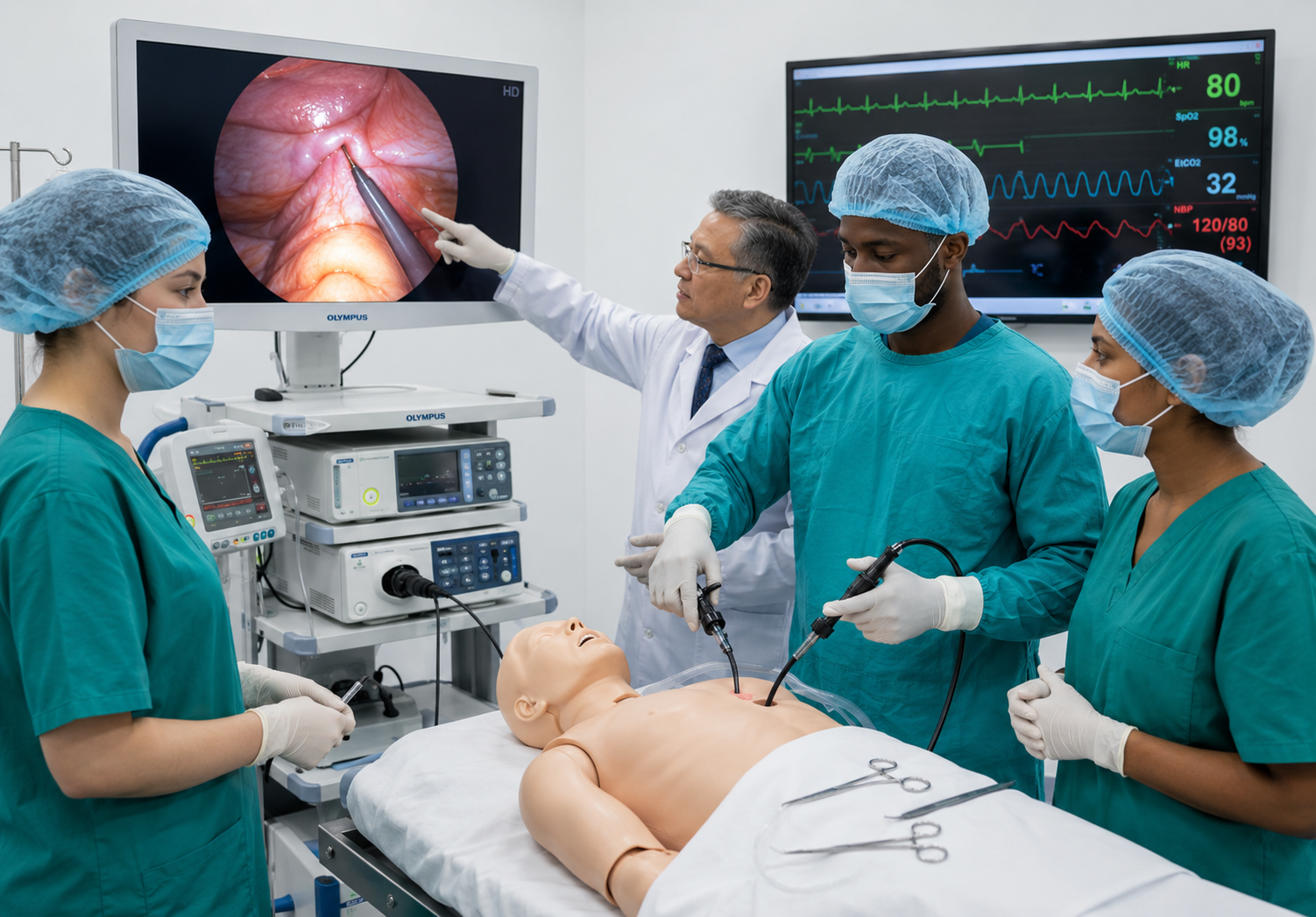
- Campus Facilities: World-class. Includes advanced simulation labs, standardized patient training, and digital anatomy platforms.
Student Life & Accommodations
- Hostel Availability: Mandatory and highly secure on-campus housing is provided for the Basic Sciences years. During US clinicals, students usually rent private apartments.
- Food & Dining: Given the large demographic of South Asian students, dedicated Indian mess facilities are widely available on Caribbean campuses.
- Safety & Security: Campuses are gated and strictly monitored. During US clinicals, students follow standard urban safety guidelines.
- Travel Connectivity: Requires a major flight to a US hub (like Miami or New York) followed by a short connecting flight to the specific Caribbean island. Valid transit/student visas are crucial.
7. Future Prospects & Licensing Exams
- USMLE / Residency Pathway: This is the ultimate goal of the North American pathway. Students who clear USMLE Step 1 and Step 2 apply for the US Residency Match program. During residency (PG) in the USA, doctors earn a stipend of $60,000 to $70,000 per year.
- Post-Graduation Opportunities: Once residency is completed, doctors can practice independently in the USA. The average salary for a physician in the USA is over $235,000 per year.
- FMGE / NExT: The US-based curriculum makes passing the Indian screening test very easy. (Pro-tip: If a student plans to return to India, they must ensure the specific Caribbean university complies with the NMC’s rule of a 54-month course + 12-month internship at the same institution).
Population
600+ Million
Currency
US Dollar (USD) / Canadian Dollar (CAD)
Weather
-30°C to 40°C (Region Wise)
Popular Cities
New York / Toronto / Los Angeles / Vancouver
Religion
Christianity / Islam / Judaism / Others
Language
English / French / Spanish